
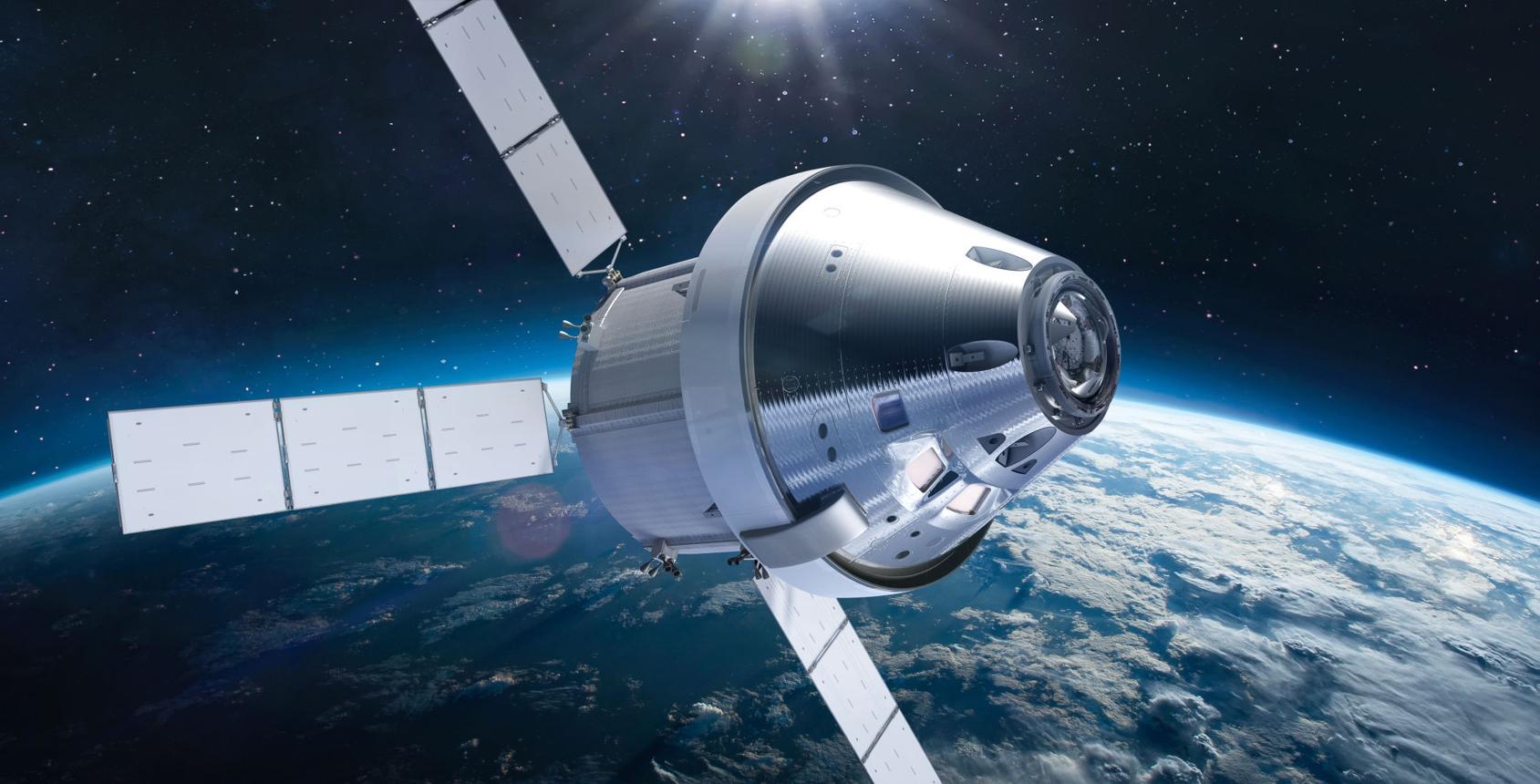
In places across Uganda, people are talking about America’s return to the Moon. In Iganga, people gather at a video hall. In Lira, folks chat at a roadside café.
In a suburb of Kampala, evening gatherings are all buzzing about one thing: America is going back to the Moon. It’s not a rumor. It’s not a movie. It’s a mission called Artemis II. The Artemis and Apollo missions got their names from siblings.
This time, the story isn’t told by astronauts. It’s told by people at home who are curious and trying to understand what it means.
They are. Wondering about America’s return to the Moon.
The Story as It Reaches Uganda.
Some first heard it on the radio. Others saw clips on smartphones while scrolling through WhatsApp groups. A few read about it on blogs and news sites.
“They are saying human beings are going back to the Moon,” one boda rider remarked, half amused, half impressed. Translating “Eh! Meanwhile, here, we are still struggling with fuel prices.”
That mix of humor and curiosity is very Ugandan. Because while space exploration sounds like something far removed from daily life, people can’t help but compare it to their own journeys of survival, ambition, and hope.
A Mission After 50 Years.
The last time humans went to the Moon was in 1972. Many Ugandans hearing this fact pause for a moment.
“That means even before some of our fathers had married,” someone might say with a laugh.
And it’s true. For over 50 years, no human being has walked on the Moon again. Not because they forgot, but because it is incredibly difficult.
Even now, the NASA mission has faced delays due to technical issues like fuel systems. They are now targeting April for the earliest launch.
It reminds many of projects back home, delayed not because people lack ambition, but because doing something big is never easy.
The Rocket Everyone Is Talking About.
At the center of this story is a massive rocket system designed to carry astronauts safely around the Moon and back.
For a Ugandan hearing this, the closest comparison might be this:
It is like preparing for a long journey from Kampala to Kaabong, but instead of roads, there is only space. No petrol stations. No shortcuts. No second chances.
Everything must work perfectly.
The Human Side of the Mission.
What makes this story powerful is not just the technology, but the people.
The astronauts on Artemis II are not superhuman. They are individuals who trained for years, failed many times, and kept going.
That’s something many Ugandans understand deeply.
A young graduate searching for a job.
A farmer is waiting for the rain that is delayed.
An entrepreneur trying to build something from nothing.
Different worlds, but the same persistence.
And at the heart of the mission is a message that resonates across cultures:
“God willing, as we shall return with peace and hope for all mankind.”
That line feels familiar. It sounds like something a mother would say when sending her child on a long journey.
Museveni’s Humor Meets Space Exploration.
Interestingly, this conversation about the Moon has reminded many Ugandans of the humorous but thought-provoking remarks often made by Yoweri Museveni.
In one of his well-known speeches, he joked about how:
“The Europeans are going to the Moon, the Russians are going to the Moon… and for us, we are still here discussing small things.”
Ugandans laughed when he said it, but beneath the humor was a challenge.
A reminder that while others push boundaries, Africa must also rise, not necessarily to copy, but to innovate in its own way.
So Why Are They Going Back?
This is the question many Ugandans are asking.
Why go back to the Moon after all these years?
1. To Prepare for Bigger Journeys
The Moon is not the final destination. It is like a training ground preparing for future missions to Mars and beyond.
2. To Advance Science That Helps Earth
Many technologies we use today, such as weather forecasting, communication, and GPS, come from space research.
Even farmers in Uganda benefit indirectly from these advancements.
3. To Inspire the World
Sometimes, humanity needs big dreams to remind us what is possible.
Just like a young person in Gulu seeing a successful farmer and deciding to try agriculture, space missions inspire people to think beyond limits.
A Story That Feels Personal.
In the end, this is not just an American story.
It is a human story.
Whether it is a rocket heading to the Moon or a young Ugandan starting a small business, the journey is the same:
- It begins with belief
- It faces challenges
- It requires patience
- And it depends on hope
Final Reflection.
As people sit in small groups across Uganda discussing this mission, one thing becomes clear:
The distance between Earth and the Moon is vast, but the distance between human struggles and human dreams is not.
The Artemis II is a reminder that progress takes time, courage, and unity.
And maybe, as Ugandans reflect on this journey to the Moon, they also reflect on their own journeys here on Earth.
Because in both cases, the goal is the same: To move forward. To grow. And, God willing, to return with peace and hope for all mankind.